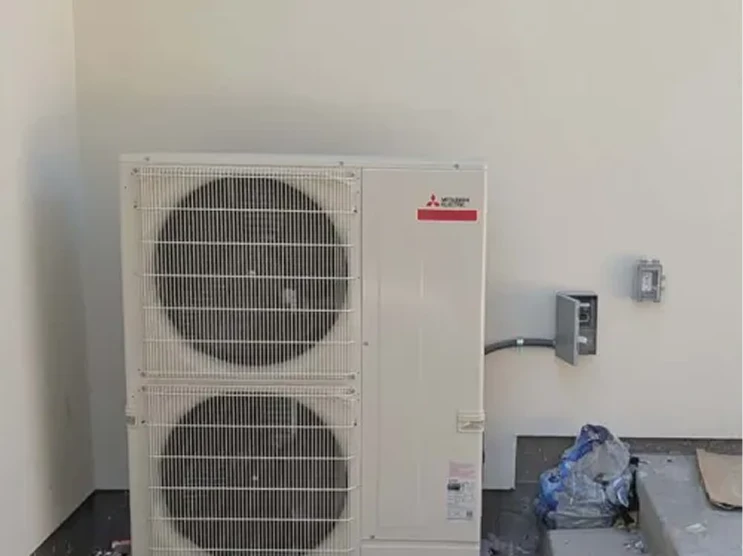
How Heat Pumps Work
The Refrigerant Cycle
A heat pump does not generate heat the way a furnace does by burning fuel. Instead, it moves heat from one place to another using a closed-loop refrigerant cycle. Refrigerant circulates between an indoor coil and an outdoor coil, absorbing heat energy at one end and releasing it at the other. This process is remarkably efficient because transferring existing heat requires far less energy than creating it from scratch.
In cooling mode, the refrigerant absorbs heat from inside your home at the indoor evaporator coil, carries it outside, and releases it through the outdoor condenser coil — exactly like a traditional air conditioner. The compressor pressurizes the refrigerant, raising its temperature so it can release heat into the warmer outdoor air.
In heating mode, the process reverses. Even when outdoor temperatures drop, there is still thermal energy present in the air. The heat pump extracts that energy from the outdoor air, compresses the refrigerant to increase its temperature, and delivers warmth to your home through the indoor coil. Modern heat pumps can extract usable heat from air as cold as -13°F (-25°C).
The refrigerant cycle continuously moves heat between indoor and outdoor units.
The reversing valve is what makes a heat pump different from a standard AC
The Reversing Valve: The Key Component
The component that makes a heat pump unique is the reversing valve. This specialized four-way valve sits on the refrigerant line between the compressor and the coils. When you switch your thermostat from cooling to heating (or vice versa), the reversing valve redirects the flow of refrigerant, swapping the roles of the indoor and outdoor coils.
In cooling mode, the indoor coil functions as the evaporator (absorbing heat) and the outdoor coil acts as the condenser (releasing heat). When the reversing valve engages for heating mode, the outdoor coil becomes the evaporator (absorbing heat from the outside air) and the indoor coil becomes the condenser (releasing heat into your home).
This elegant engineering solution means a single system replaces both a separate air conditioner and a furnace. You get complete year-round climate control from one piece of equipment, simplifying maintenance and reducing the total footprint of your HVAC system.
Both Heating and Cooling From One System
Traditional HVAC setups require two separate systems: a furnace or boiler for heating and an air conditioner for cooling. A heat pump consolidates these into a single, streamlined system that handles both jobs efficiently.
During the Bay Area’s warm summers, your heat pump operates as a high-efficiency air conditioner, removing heat and humidity from your home. When temperatures drop in winter, the same system seamlessly switches to heating mode, pulling warmth from the outdoor air and delivering it inside. The transition is automatic and controlled by your thermostat — you simply set your desired temperature, and the heat pump does the rest.
Many modern heat pumps also offer variable-speed compressor technology, which means the system can ramp up or down based on demand rather than cycling fully on and off. This results in more consistent temperatures, quieter operation, better humidity control, and significantly lower energy consumption compared to single-speed systems.
Heat in winter, cool in summer — all from one unit
Benefits of Heat Pumps

Superior Energy Efficiency

Dual-Function System

Lower Utility Bills

Rebates and Incentives Available

Quiet Operation

Eco-Friendly
Heat pumps produce zero direct emissions at the point of use. Unlike gas furnaces that burn natural gas and release carbon dioxide, a heat pump runs entirely on electricity. When paired with solar panels or a green electricity plan, your home’s heating and cooling can have a near-zero carbon footprint. Switching from fossil fuel heating to a heat pump is one of the most impactful steps homeowners can take to reduce their household emissions.
Types of Heat Pumps
Air-Source Heat Pumps
Air-source heat pumps are the most common and widely installed type. They transfer heat between the air inside your home and the air outside. A single outdoor unit connects to an indoor air handler, which distributes conditioned air through your home’s existing ductwork.
Best for: Homes with existing ductwork in good condition. Air-source heat pumps are the simplest and most cost-effective replacement for a traditional furnace and air conditioner combo. They are available in a wide range of sizes and capacities to match virtually any home.
Key features:
- Works with existing duct systems
- Available in single-speed, two-stage, and variable-speed models
- SEER2 ratings up to 22+ for maximum efficiency
- Heating capacity maintained down to very low outdoor temperatures with cold-climate models
- Straightforward installation, typically completed in one day

Dual-Function System
Mini-split (also called ductless) heat pumps consist of a compact outdoor compressor unit connected to one or more wall-mounted indoor units by small refrigerant lines. Each indoor unit serves a specific zone in your home, providing independent temperature control for each room or area.
Best for: Homes without ductwork, room additions, converted garages, home offices, or any situation where running new ductwork is impractical or too expensive. Also ideal for supplementing an existing system in rooms that are always too hot or too cold.
- No ductwork required — only a small 3-inch hole through the wall
- Zoned comfort: each room gets its own thermostat and temperature setting
- Eliminates duct losses (which can account for 25-30% of energy waste)
- Multi-zone systems support 2 to 8 indoor units from a single outdoor unit
- Sleek, low-profile indoor units with whisper-quiet operation
- Available from top brands including Mitsubishi, LG, and Bosch

Lower Utility Bills
Ducted heat pumps combine the efficiency of heat pump technology with the whole-home comfort of a traditional forced-air system. The outdoor unit connects to a central indoor air handler located in an attic, basement, garage, or closet, which distributes heated or cooled air through a network of ducts to every room in your home.
Best for: Homeowners who want whole-home comfort from a central system, prefer hidden equipment with no wall-mounted units visible, or are replacing an existing furnace and air conditioner setup.
Key features:
- Provides uniform comfort throughout the entire home
- Indoor components are concealed — no wall units visible in living spaces
- Compatible with air filtration, purification, and humidification add-ons
- Available in standard and compact sizes to fit tight mechanical spaces
- Pairs well with new or upgraded ductwork for maximum performance
- Can include a small backup electric heating element for the coldest days
When to Consider a Heat Pump
Signs It May Be Time for a Heat Pump
- Your furnace is 15+ years old: If your existing heating system is aging and nearing the end of its lifespan, replacing it with a heat pump lets you upgrade to modern efficiency while also gaining air conditioning (or improving the AC you already have).
- You want to reduce or eliminate gas usage: Many Bay Area homeowners are choosing to electrify their homes to cut emissions and avoid rising natural gas costs. A heat pump is the cornerstone of a home electrification strategy.
- Your energy bills are too high: If you are spending more than expected on heating and cooling, a high-efficiency heat pump can significantly reduce those costs, especially if your current system is older or single-speed.
- You are adding space or renovating: Room additions, garage conversions, ADUs, or major renovations are the perfect opportunity to install a heat pump or mini-split system rather than extending aging ductwork or an undersized furnace.
- Uneven temperatures in your home: If certain rooms are always too hot or too cold, a zoned heat pump system (such as a multi-zone mini-split) gives each area its own temperature control, eliminating hot and cold spots.
- You want to take advantage of incentives: With federal tax credits, California rebates, and local utility incentives, the upfront cost of a heat pump is more affordable than ever. Acting now lets you lock in the best available programs before they phase out.
- You are building a new home: For new construction, a heat pump is the obvious choice. It meets or exceeds California's stringent Title 24 energy codes, reduces the need for a gas line, and provides superior comfort from day one.
The refrigerant cycle continuously moves heat between indoor and outdoor units.
The Bay Area's mild climate is ideal for heat pump performance
Why the Bay Area Is Ideal for Heat Pumps
Heat pumps perform at their highest efficiency in moderate climates — and the Bay Area’s weather is practically tailor-made for this technology. With winter lows rarely dipping below the mid-30s and summer highs that are warm but not extreme, a heat pump operates in its optimal efficiency range for virtually the entire year.
In regions with harsh winters, heat pumps can lose some capacity at very low temperatures (though modern cold-climate models have largely solved this). In the Bay Area, this is a non-issue. Your heat pump will deliver peak performance and maximum savings 365 days a year.
Additionally, California’s grid is becoming increasingly powered by renewable energy sources, which means the electricity your heat pump uses is cleaner every year. Combined with the state’s aggressive incentive programs designed to encourage electrification, there has never been a better time for Bay Area homeowners to make the switch.
Our Heat Pump Installation Process
1. In-Home Consultation

2. Custom System Design

3. Transparent Proposal

4. Professional Installation

5. Testing and Commissioning

6. Walkthrough and Support
Premium Brands We Install

Mitsubishi Electric
The industry leader in mini-split and ductless heat pump technology. Mitsubishi’s Hyper-Heating INVERTER (H2i) systems deliver reliable heating down to -13°F and offer whisper-quiet operation with advanced filtration. Ideal for zoned comfort and homes without ductwork.
LG
LG offers a comprehensive lineup of high-efficiency heat pumps, from compact single-zone units to large multi-zone systems. Known for innovative inverter compressor technology, smart home integration, and sleek designs that blend seamlessly into modern interiors.
Bosch
Bosch delivers German-engineered heat pumps built for durability and efficiency. Their IDS and Climate 5000 series feature variable-speed inverter compressors, ultra-quiet operation, and compatibility with existing ductwork, making them a top choice for whole-home ducted installations.
Heat Pump Installation Gallery
See our heat pump installations across the Bay Area
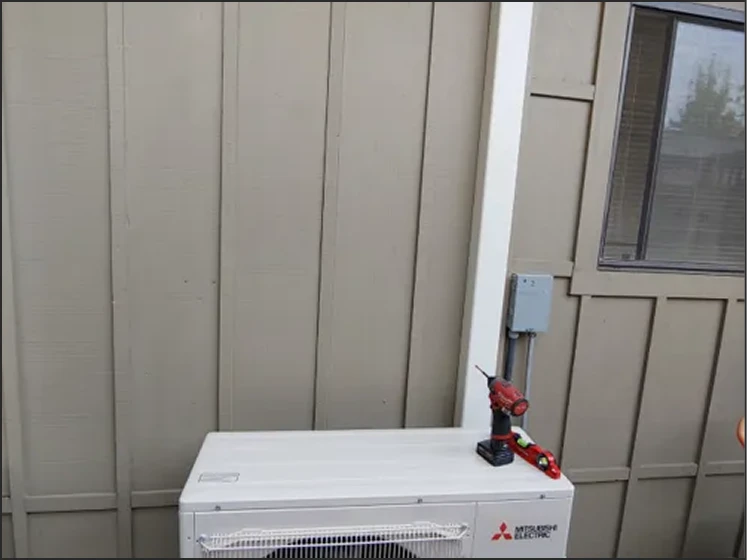
Heat Pump Condenser - Santa Clara
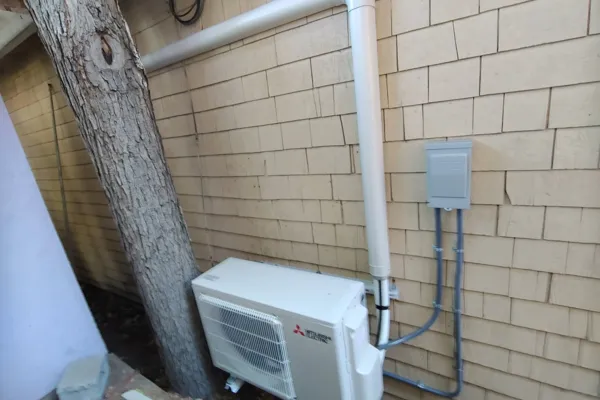
Heat Pump Condenser - Saratoga